
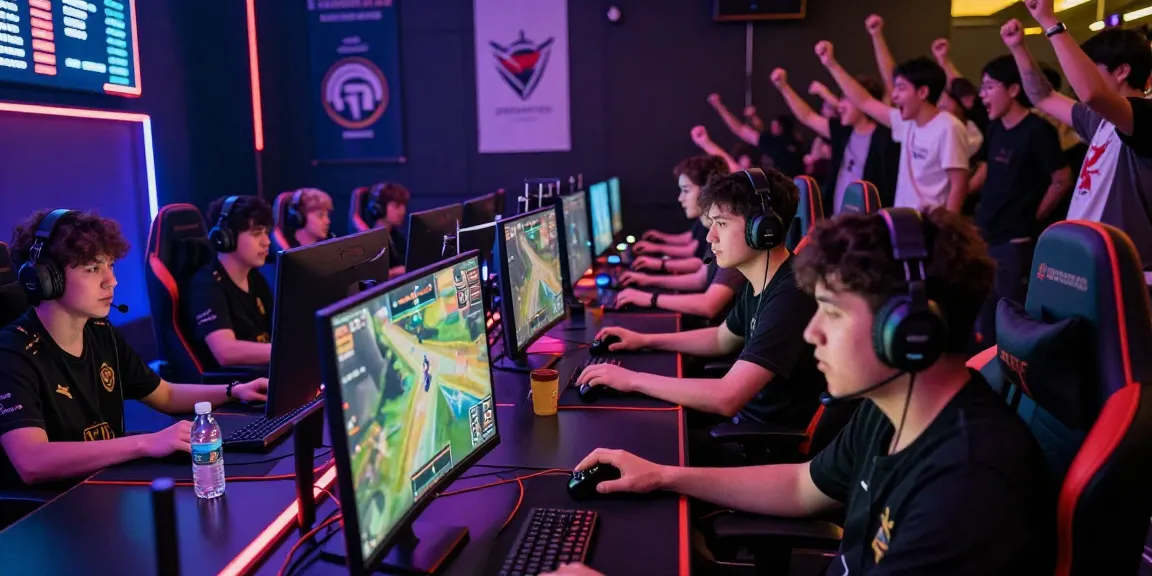
Understanding the eSports Landscape in 2026
The eSports industry has experienced explosive growth in recent years, and 2026 is poised to be a pivotal year. With increasing investments, a growing audience base, and evolving technologies, the landscape is transforming rapidly. Industry experts anticipate that revenues will soar to unprecedented levels, driven largely by sponsorships, media rights, and merchandising. For stakeholders seeking to navigate this dynamic environment, it’s essential to grasp current trends and metrics shaping the ecosystem. Companies like https://proplay88.uk.com/ provide valuable insights and resources for those looking to make informed decisions in the gaming industry.
Current Trends and Growth Metrics
As of 2026, the eSports market is expected to exceed $2 billion in revenue. This growth is fueled by various factors, including an expanding global audience, online streaming platforms, and mobile gaming. One of the most notable trends is the increased participation of traditional sports organizations entering the eSports arena, creating new opportunities for collaboration and audience crossover.
- Global Audience Expansion: The worldwide audience for eSports reached over 600 million viewers, up from 450 million in 2020.
- Investment Surge: Venture capital and corporate investments in eSports teams and events have more than doubled, with several franchises now valued in the hundreds of millions.
- Game Genre Diversification: While first-person shooters (FPS) and multiplayer online battle arena (MOBA) games continue to dominate, genres such as battle royale and sports simulation are gaining traction.
Key Demographics and Audience Engagement
The demographics of the eSports audience are diverse, with a significant proportion aged between 18 and 34. This demographic is particularly appealing to advertisers and brands looking to engage with a tech-savvy audience that values multiplayer gaming experiences. Moreover, as women constitute an increasing share of the viewer base, eSports events are becoming more inclusive and representative.
- Gender Breakdown: Approximately 40% of eSports viewers are female, a significant rise from previous years.
- Viewer Engagement: eSports fans typically engage with content across multiple platforms, including Twitch, YouTube, and Discord, fostering a sense of community and connection.
Emerging Technologies Impacting eSports
Innovative technologies such as virtual reality (VR), augmented reality (AR), and artificial intelligence (AI) are increasingly impacting the eSports landscape. These technologies enhance gaming experiences and facilitate deeper audience engagement. VR tournaments are gaining popularity, allowing players to immerse themselves in the gaming environment like never before.
- AI Personalization: AI algorithms are being used to analyze player performance and tailor training sessions to individual needs.
- AR Integration: Augmented reality is enabling new viewing experiences, with apps that allow fans to see player stats and game highlights in real-time during live events.
Building a Winning Strategy for eSports Teams
For eSports teams, developing a winning strategy is crucial for achieving long-term success. This involves not only assembling a talented roster of players but also instituting processes that promote growth and synergy. As the competitive landscape evolves, teams that adapt quickly to changes will have the upper hand.
Recruiting and Developing Top Talent
Recruitment should focus on both gaming skills and character traits. Teams should consider not only players’ performance statistics but also their communication skills and potential to grow within a team environment. Establishing partnerships with influential gaming academies can provide access to emerging talent.
Creating Effective Training Programs
Implementing a structured training regimen enhances player development. This encompasses strategy sessions, physical fitness training, and mental coaching. Teams that invest in comprehensive training programs prepare their players for the rigors of competition and improve overall performance.
Strategies for Enhancing Team Communication
Effective communication is essential in eSports, where split-second decisions can determine the outcome of a match. Utilizing tools such as Slack or Discord can enhance team coordination and ensure that players are always on the same page. Developing clear communication protocols and encouraging open dialogue fosters a positive team culture.
Marketing Techniques for eSports Success
As eSports continues to grow, so do the marketing opportunities. Effective marketing strategies are crucial for teams and brands looking to build a loyal fanbase and increase visibility within the community. An effective marketing approach involves leveraging social media, content creation, and strategic partnerships.
Leveraging Social Media for Brand Awareness
Social media platforms like Twitter, Instagram, and TikTok are invaluable tools for reaching potential fans. eSports organizations should create engaging content that resonates with their audience, showcasing players and behind-the-scenes moments that foster community engagement.
Creating Engaging Content for Fans
To maintain interest, teams should craft compelling narratives that captivate their audience. This could involve streaming training sessions, hosting Q&A events with players, or producing highlight reels of gameplay. Engaging content not only helps with fan retention but also attracts new viewers.
Partnerships and Sponsorships in eSports
Establishing partnerships with brands can provide mutual benefits that extend beyond financial support. Collaborating with sponsors allows for co-branded content and promotional events that enhance visibility and strengthen community ties.
Analyzing Performance Metrics in eSports
Data analytics play a crucial role in the success of eSports teams. By analyzing performance metrics, teams can identify strengths and weaknesses that inform training and strategy. Understanding how to interpret these metrics can lead to improved decision-making and competitive advantage.
Key Performance Indicators for Teams
Monitoring KPIs such as kill/death ratio, average damage per match, and objective control can provide insights into player performance. Teams should establish benchmarks to track progress and facilitate targeted improvements.
Using Data Analytics to Drive Strategy
Advanced analytics tools allow teams to dissect gameplay and opponent strategies, creating tailored game plans. By utilizing video analysis and data visualization, teams can prepare more effectively for matches and stay ahead of the competition.
Real-World Case Studies of Success
Several teams have successfully used analytics to enhance their gameplay. For example, Team Liquid implemented data-driven strategies leading to significant tournament victories, demonstrating the effectiveness of a metrics-based approach to training and competition.
Future Predictions and Opportunities in eSports
Looking ahead, the eSports industry is positioned for continued growth and innovation. Emerging trends and technologies will shape how teams operate, engage with fans, and drive revenues in the coming years.
Emerging Trends for 2027 and Beyond
The rise of mobile gaming presents a huge opportunity, especially in emerging markets. As more players transition to mobile, eSports events will increasingly feature mobile game competitions, expanding accessibility and participation.
Potential Market Innovations and Disruptions
Innovations such as blockchain technology may disrupt traditional business models in eSports, providing new opportunities for fan engagement through tokenized experiences and digital collectibles.
Preparing for Evolution in Player Engagement
To maintain relevance, teams must stay attuned to shifts in player preferences and audience behaviors. Evolving formats, such as virtual and hybrid tournaments, will become more mainstream, requiring teams to adapt their engagement strategies accordingly.
What are the key skills needed for eSports players?
Key skills required for eSports players include strategic thinking, quick reflexes, exceptional communication, and teamwork. As the competitive environment becomes increasingly complex, these skills will be pivotal in achieving success.
How can brands effectively engage with the eSports community?
Brands can engage effectively with the eSports community through targeted campaigns that align with the interests of players and fans. By sponsoring events, collaborating with content creators, and being active in community forums, brands can foster goodwill and build trust.
What are the challenges in managing an eSports team?
Managing an eSports team comes with unique challenges, including maintaining team morale, handling player burnout, and navigating the competitive landscape. Effective leadership, along with a comprehensive support system, is essential to overcome these challenges.
How can data analytics improve game strategies?
Data analytics can improve game strategies by providing insights into both individual player performances and team dynamics. By identifying patterns and trends, teams can make data-informed decisions that enhance their chances of victory.
What future technologies will impact eSports?
Future technologies such as AI and machine learning are expected to revolutionize eSports training and gameplay analysis. These advancements will provide teams with a competitive edge through enhanced predictive analytics and deeper insights into game mechanics.