
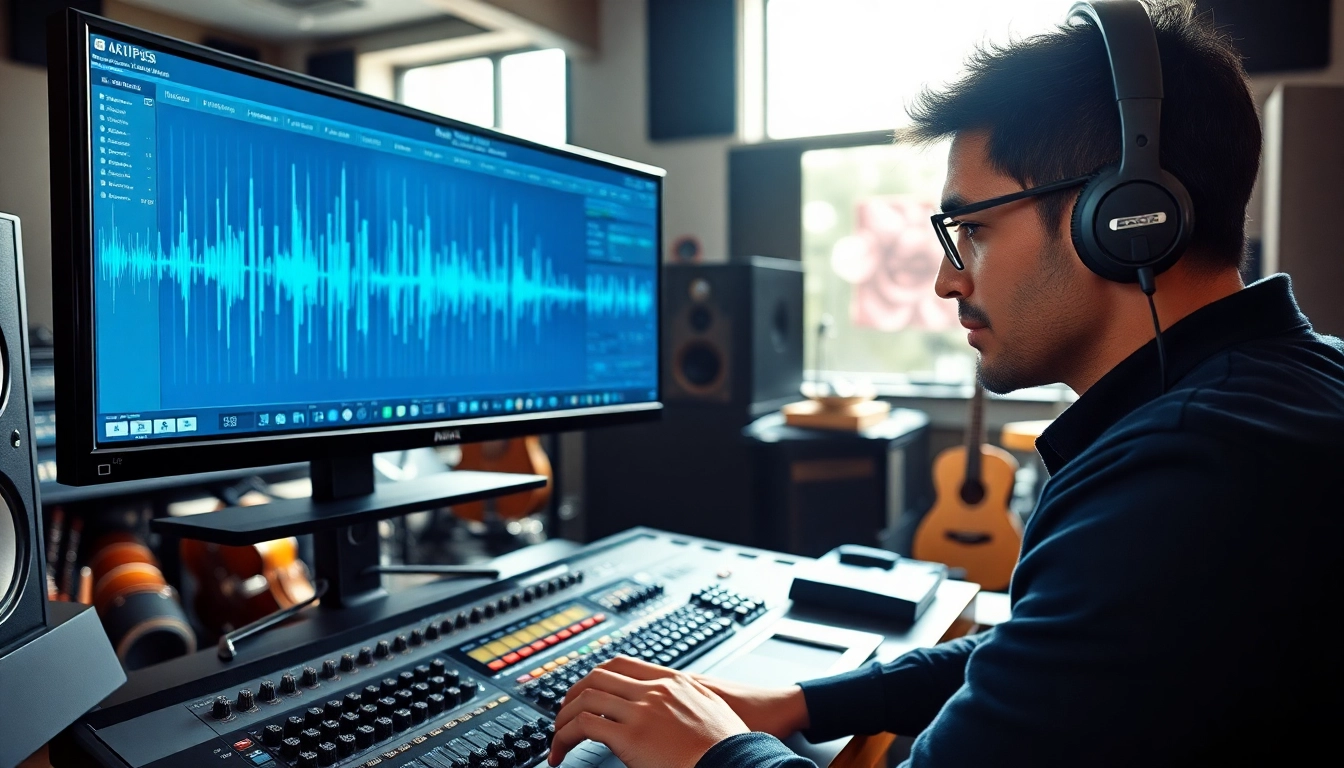
Understanding Online Mastering
What is Online Mastering?
Online mastering refers to the digital editing process that prepares audio files for distribution. This step finalizes the sound quality of a mix, ensuring that tracks translate well across different playback systems. It is crucial for artists, producers, and sound engineers who wish to achieve a professional sound without necessarily working in a high-end studio. With online mastering, musicians can submit their tracks to specialized services which take care of the technical aspects of mastering.
Benefits of Online Mastering
The rise of online mastering services has transformed the music industry by providing several notable advantages:
- Accessibility: Musicians from all walks of life can afford professional mastering without taking on the financial burden of traditional studio time.
- Convenience: The digital nature of online mastering allows for easy submission and quick delivery of mastered tracks.
- Quality: Many online mastering services employ seasoned engineers with years of experience, ensuring that the end-product meets industry standards.
- Affordability: Compared to in-person sessions, online mastering often presents a more economical option with packages tailored to different budgets.
How Online Mastering Works
The process of online mastering is straightforward yet technical. It typically involves the following steps:
- The artist submits their final mix in a compatible audio format, usually WAV or AIFF.
- Mastering engineers analyze the audio, applying various processing techniques such as EQ, compression, and limiting to enhance the sound quality.
- Once the track is mastered, the client receives a high-quality audio file along with potential revisions based on their feedback.
Choosing the Right Online Mastering Service
Key Features to Look For
When selecting an online mastering provider, it’s essential to consider several critical features:
- Quality of Service: Review samples of their past work to ensure they achieve the kind of sound you desire.
- Turnaround Time: Depending on your needs, you may want a service that can deliver quickly without compromising quality.
- Customer Support: A responsive customer service team can help answer any questions you have during the process.
- Revision Policies: Understanding how many revisions are allowed can impact your satisfaction with the final product.
Comparing Online Mastering Providers
With many options available, it’s wise to compare several online mastering providers. Here are important factors to consider:
- Price: Prices vary between services. Evaluate what your budget allows and what each package includes.
- Turnaround Time: Check if they offer expedited services if you need your tracks mastered quickly.
- Reviews and Testimonials: Reading feedback from previous users can provide insight into the provider’s reliability and quality.
Cost Factors in Online Mastering
The cost of online mastering can vary significantly, influenced by several factors:
- Experience Level: More experienced mastering engineers may charge higher rates for their expertise.
- Turnaround Time: Faster delivery options often come at a premium price.
- Additional Services: Many providers offer extra services such as stem mastering or specific format conversions, which can also affect the final cost.
The Online Mastering Process
Preparing Your Tracks for Online Mastering
Properly preparing your tracks can significantly influence the quality of the final master. Key tips for preparation include:
- Mix at the Right Level: Ensure that your mix is not too loud or too quiet before submission, generally peaking around -6dB to -3dB.
- Avoid Clipping: Ensure no part of your mix clips to prevent digital distortion after mastering.
- File Format and Quality: Export your mix in a high-quality format (24-bit WAV or AIFF) for optimal results.
Submitting Your Music
Most online mastering services have user-friendly platforms for track uploads. During submission, provide any relevant notes or references to guide the engineer in your desired sound. If you have specific styles or examples from other songs, sharing those can be tremendously helpful.
Reviewing the Mastered Track
After receiving your mastered track, it’s crucial to listen attentively across various playback systems—headphones, car speakers, and studio monitors. Take notes of any adjustments you believe could enhance the track further. Many services allow for a specific number of revisions within their packages, so utilize this to refine your final product.
Common Challenges in Online Mastering
Addressing Audio Quality Issues
Despite the sophisticated technology employed, some common audio quality challenges can arise during online mastering:
- Mix Imbalances: Sometimes, specific instruments might overpower others. Work to achieve a balanced mix before submitting.
- Incorrect Audio Levels: Tracks that are either too quiet or too loud can lose detail. Proper levels are essential for effective mastering.
Understanding Feedback and Revisions
After receiving your mastered track, you might find you want changes. Navigate this effectively by:
- Being Specific: Provide clear feedback on what you’d like altered, whether it’s adjustments in loudness or EQ.
- Understanding Capabilities: Knowing what can realistically be achieved with revisions will save time and confusion.
Navigating Different Audio Formats
When dealing with various formats, it’s essential to understand their applications:
- For Streaming: Submissions for platforms like Spotify require specific loudness levels and formats.
- For Vinyl Pressing: You might need separate mastering for vinyl, considering the unique limitations of the format.
Maximizing Your Results with Online Mastering
Best Practices for Music Preparation
To ensure your tracks are ready for online mastering, follow these critical best practices:
- Get a Second Opinion: Before submission, seek feedback from trusted peers or fellow musicians.
- Use Reference Tracks: Compare your mix with professional tracks in similar genres for quality assurance.
Understanding Loudness Standards
Loudness is a crucial aspect of mastering. Familiarize yourself with the following standards:
- LUFS (Loudness Units Full Scale): This measurement is essential for ensuring your track meets industry standards without sacrificing dynamic range.
- Peak Levels: Your track should generally peak around -1dB to avoid clipping on various platforms.
Analyzing the Final Product
Once your track has been mastered, conducting a thorough analysis is crucial:
- Listen on Multiple Systems: Test your track on different devices for a comprehensive evaluation of sound quality.
- Assess Community Feedback: Share with fellow musicians and accept constructive criticism before finalizing your release.
Frequently Asked Questions
What is online mastering?
Online mastering is the final step in music production, where tracks are polished and prepared for distribution using digital mastering services.
How long does online mastering take?
Typically, online mastering can take anywhere from a few hours to a few days depending on the service provider and the complexity of the project.
Can I master a song myself online?
Yes, there are numerous software tools available that allow you to attempt self-mastering, but professional services often yield better results.
What format should I submit for online mastering?
Most services accept formats like WAV or AIFF, ideally at a high resolution (24-bit) for the best sound quality.
How much does online mastering cost?
Prices for online mastering services can range from $30 to several hundred dollars, depending on the provider, quality, and additional services offered.


